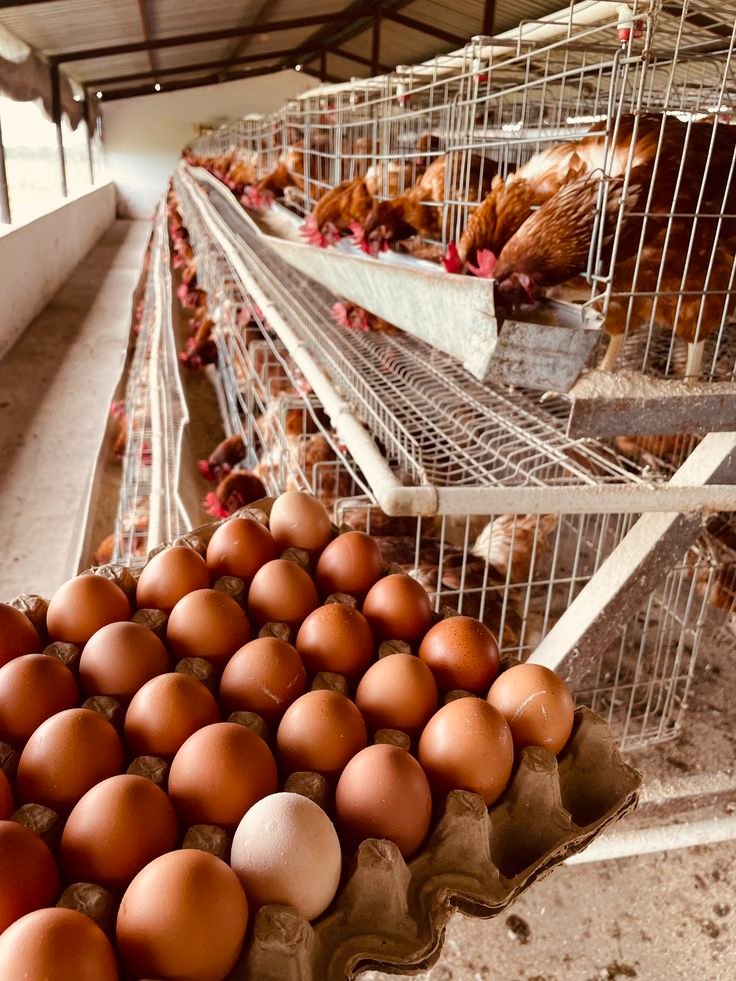
Brief summary of poultry farming
Poultry farming primarily focuses on two avenues: egg production or meat production, and the methods employed differ significantly in each case.For layer hens, the emphasis lies on maintaining consistency. Providing a calm environment, consistent lighting, and adequate calcium supplementation ensures optimal egg production. Conversely, disturbing the hens or neglecting their needs leads to a rapid decline in egg output.
In contrast, broiler chickens are primarily raised for meat production. Their diet consists of continuous feeding, enabling them to reach market size within a matter of weeks. Consequently, ventilation and biosecurity measures are paramount in broiler farming. Any deterioration in air quality can result in the immediate loss of the entire flock.
Welcome to the wonderful world of pigs! Often misunderstood, pigs are among the most intelligent, social, and fascinating animals on the planet.
Wild pigs are essential “ecosystem engineers.” Their rooting turns over soil, which helps new plants grow and spreads seeds. Domestic pigs are also recycling champions—they love eating leftover fruits and vegetables that would otherwise go to waste.
Although the scale of operations has expanded from small flocks to large automated facilities, the fundamental principle remains unchanged: the equipment facilitates increased productivity. However, the essential responsibility of monitoring, listening, and promptly addressing potential issues before they escalate remains the same. Operating in a razor-thin margin environment necessitates meticulous management of feed costs and mortality rates. Successfully executing these strategies can lead to a sustainable and honest livelihood. However, any missteps can result in swift and humbling consequences.