Our Farm
How Birds are Raise
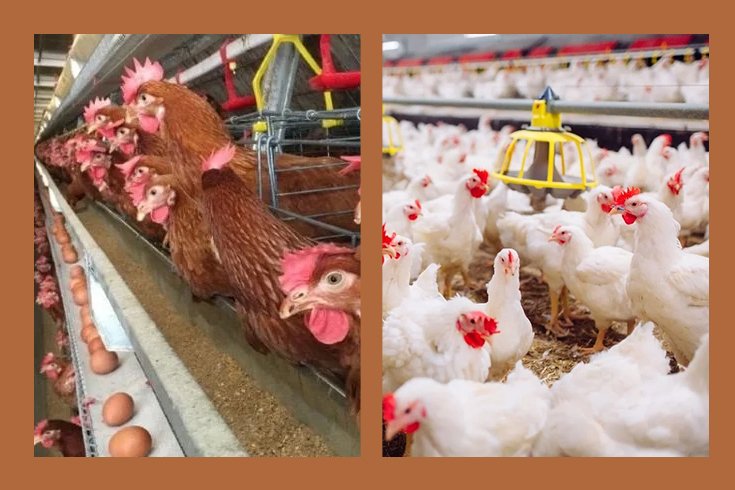
Poultry farming primarily focuses on two avenues: egg production or meat production, and the methods employed differ significantly in each case.For layer hens, the emphasis lies on maintaining consistency. Providing a calm environment, consistent lighting, and adequate calcium supplementation ensures optimal egg production. Conversely, disturbing the hens or neglecting their needs leads to a rapid decline in egg output. In contrast, broiler chickens are primarily raised for meat production. Their diet consists of continuous feeding, enabling them to reach market size within a matter of weeks. Consequently, ventilation and biosecurity measures are paramount in broiler farming. Any deterioration in air quality can result in the immediate loss of the entire flock.
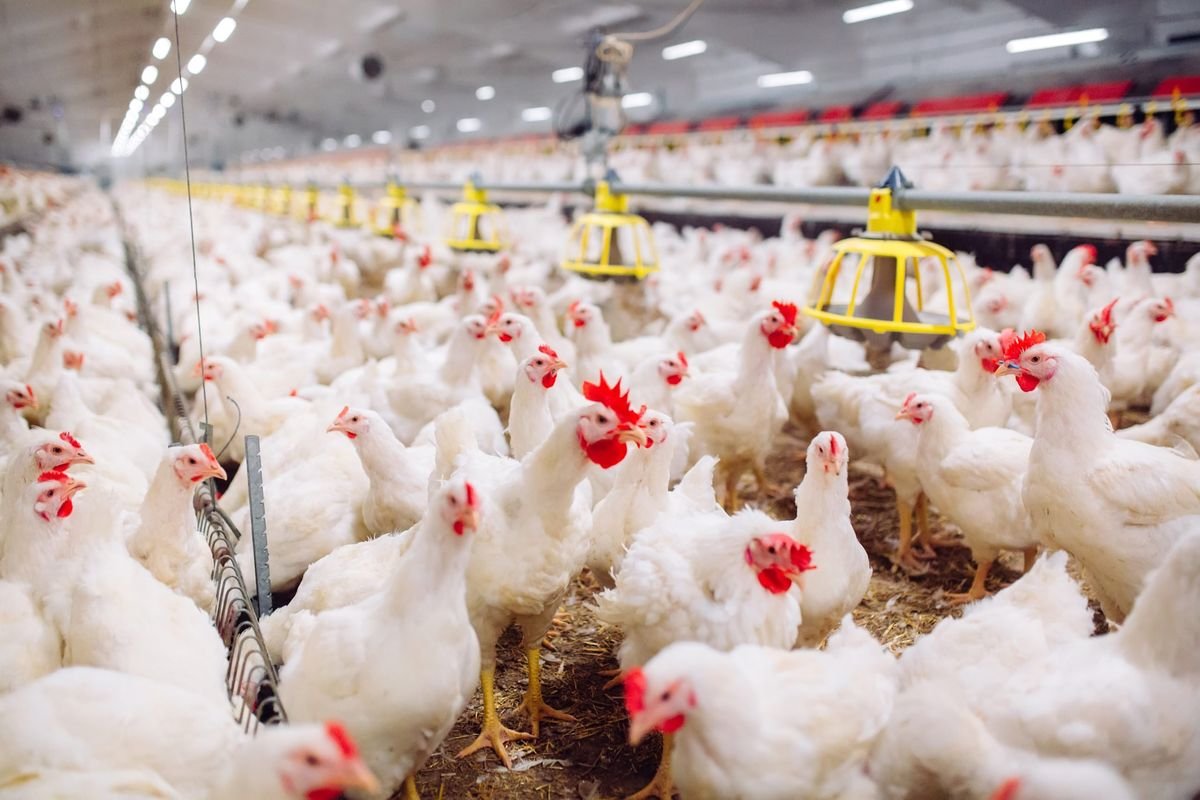
Feeding process
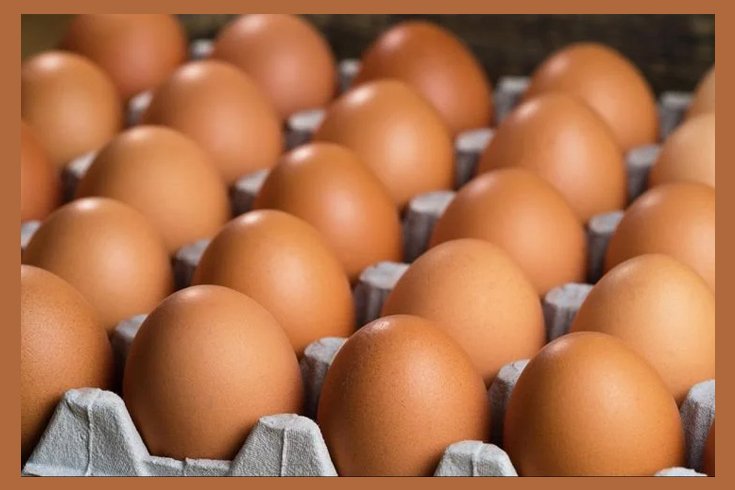
Feeding a laying hen works by providing a carefully balanced diet that supports both the bird’s maintenance and daily egg production. The feed, typically a mash or crumble rich in calcium, protein, and essential vitamins, is delivered via a trough or automated system where the hen pecks and consumes small particles at will. Once ingested, the digestive system breaks down nutrients, sending calcium directly to the shell gland to form a strong eggshell over about 20 hours. Any excess feed or waste passes through the hen, and consistent access to fresh water and grit helps grind the food for maximum nutrient absorption.
food that the chicken need and their stages
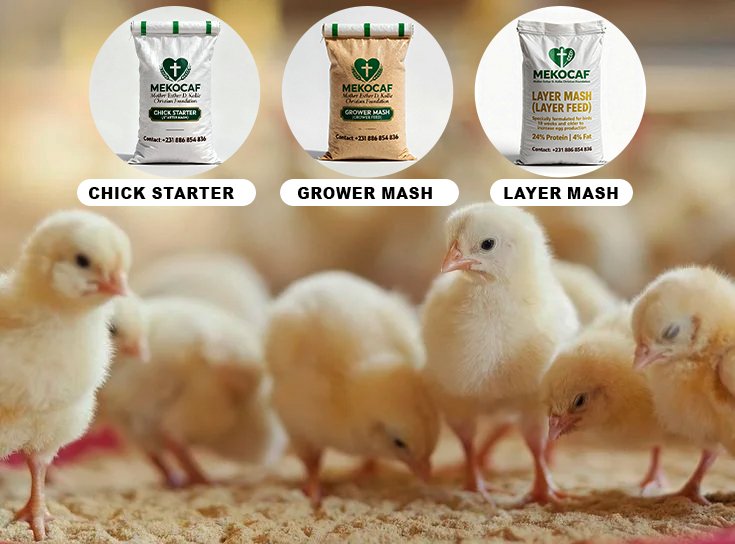
chick starter (or starter mash/crumbles):
used for young chicks (0-8 weeks) to support early growth.
Grower's mash (or grower feed):
Designed for pullets (growing birds) up to 18 weeks of age.
Layers' mash (or layer feed):
specially formulated for birds 18 weeks and older to increase egg production.
Broiler starter & finisher feeds:
Specifically for broiler chickens to maximize weight gain.
Locally produced feeds:
Often formulated with maize (corn), soybean meal, palm kernel meal, and fishmeal.
Health and hygiene practices
Health and hygiene practices for laying hens. We work on a daily basis by preventing disease and maintaining a clean environment that supports consistent egg production. Each morning, caretakers remove wet litter and manure from the coop, which reduces ammonia buildup and limits pathogens like Salmonella or E. coli. Feeders and waterers are scrubbed daily to remove mold, algae, and old feed residue, while nest boxes are checked for broken eggs and lined with fresh, dry bedding. Finally, hens are observed for signs of illness—such as lethargy or drooping combs—and any sick birds are isolated promptly, with equipment disinfected between uses to stop the spread of infection.